


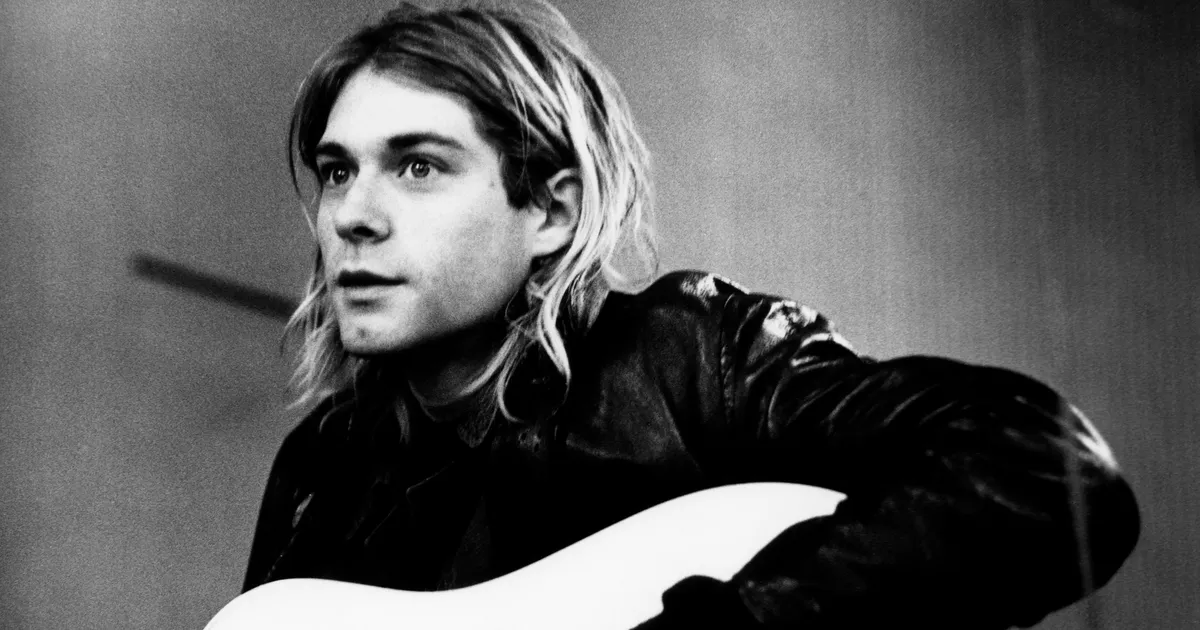
Nirvana wasn’t just a band. A cultural earthquake shook the world out of the glam-rock hangover of the 1980s and dragged it into the raw, unfiltered spirit of the 1990s. Formed in the gritty, rainy town of Aberdeen, Washington, Nirvana became the unexpected spearhead of the grunge movement, led by Kurt Cobain’s tormented genius.
But there’s more to Nirvana than what made it into Rolling Stone headlines. Today, we’ll dive into their revolutionary legacy—and share a real but little-known story that gives us a glimpse of the human side of Nirvana, behind the distortion and the fame.
The Rise of Nirvana: From Bleach to Global Icons
In 1987, Kurt Cobain and Krist Novoselic formed Nirvana, later joined by Dave Grohl in 1990. Their debut album, Bleach (1989), released under Sub Pop Records, showed promise but didn’t hint at what was to come.
Then, in 1991, Nevermind exploded with the lead single “Smells Like Teen Spirit.” With that track alone, Nirvana flipped the mainstream music industry on its head. MTV couldn’t stop playing it, and suddenly, flannel shirts were more iconic than leather pants.
By the time In Utero was released in 1993, Nirvana had become the voice of a disillusioned generation—angry, sensitive, and brutally honest.
The Untold Story: The Time Nirvana Played a Teenager’s House Party
In 1988, before they were famous, Nirvana played at a teenager’s house party in Raymond, Washington. The host? A 17-year-old high school student named Ryan Aigner, who had met Cobain through the local punk scene.
Here’s the crazy part: Cobain had forgotten to tell Aigner he’d started a band, and when Aigner saw Nirvana live for the first time, it was in his backyard.
The gig was so DIY that the band borrowed most of their gear. According to attendees, they were sloppy, loud, and completely magnetic—even then. Cobain reportedly smashed a guitar at the end of the set, which was only worth about $50.
Ryan later recalled, “Kurt didn’t care about being famous. He cared about being heard.” This moment perfectly captures the raw, unapologetic essence of Nirvana before the fame, before the chaos.
That backyard gig was one of their earliest performances—never captured on tape, and remembered only by a few dozen wide-eyed teens who had no idea they were witnessing history.
Why Nirvana Still Matters Today
More than 30 years later, Nirvana’s impact is undeniable. They didn’t just create music—they created a movement.
- Emotional honesty: Songs like “Something in the Way” and “All Apologies” gave voice to depression and vulnerability, long before it was common.
- Musical influence: Bands from Foo Fighters (Grohl’s later project) to modern rock acts cite Nirvana as foundational.
- Cultural reset: Nirvana made it cool to be real. No costumes. No fluff. Just art.
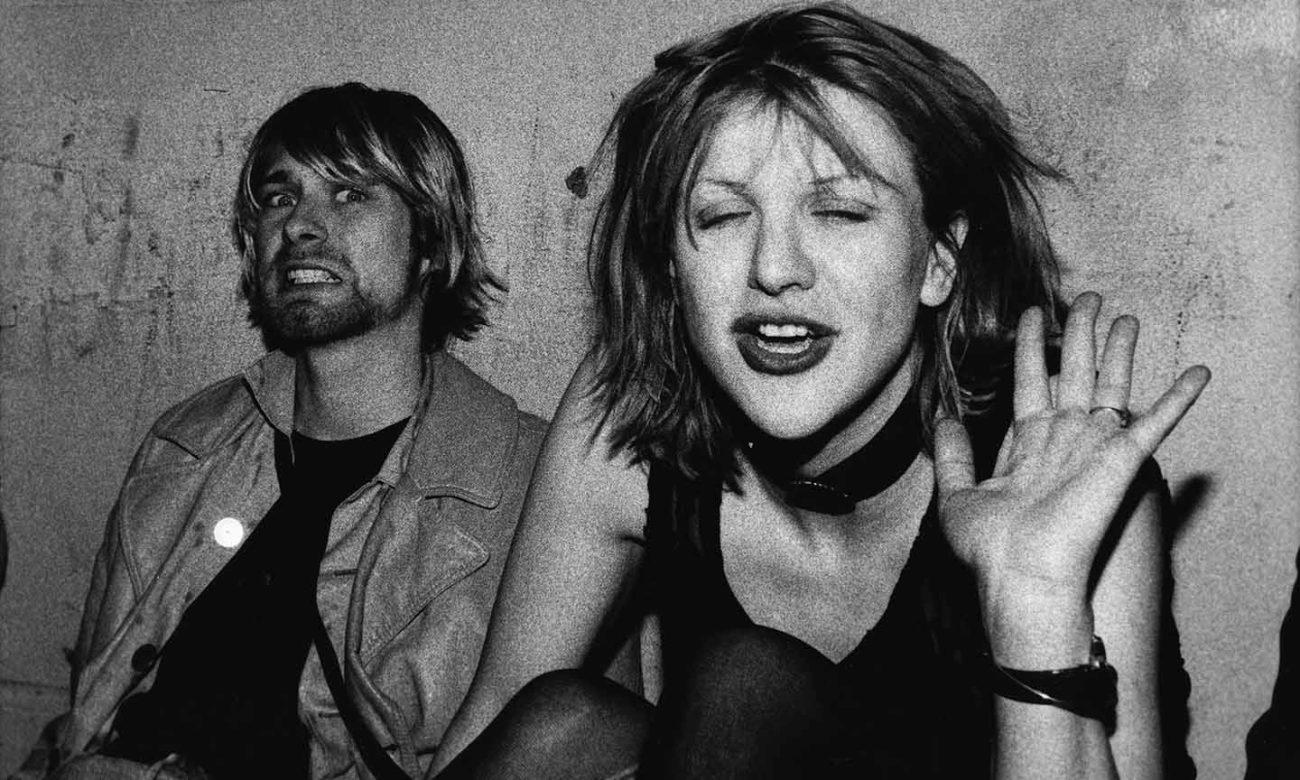

Nirvana’s early days are such a fascinating glimpse into their raw, unfiltered energy. It’s incredible to think about how they started with borrowed gear and still managed to leave such a lasting impact. Kurt’s indifference to fame but passion for being heard really resonates—it’s what made their music so authentic. That backyard gig sounds like a moment frozen in time, unrecorded but unforgettable for those who were there. It’s a reminder that sometimes the most iconic moments happen in the most unassuming places. Do you think Nirvana’s DIY ethos is what made them so revolutionary, or was it something else entirely? I’d love to hear your take on what made them stand out in such a crowded music scene.
This story really captures the raw energy and authenticity of Nirvana before they became legends. It’s fascinating to think about how such a small, DIY gig could be the foundation of something so monumental. Kurt’s indifference to fame and his focus on being heard is something that resonates deeply, especially in today’s world where fame often overshadows art. The fact that this moment wasn’t recorded makes it even more special—it’s like a secret shared only by those lucky few. I wonder if the band themselves even realized the significance of that performance at the time. Do you think Nirvana would have been as impactful if they hadn’t stayed true to their roots? It’s incredible how such humble beginnings can lead to a legacy that still inspires generations.